When it comes to publishing a book, the binding method you choose plays a significant role in not only the book's durability but also its aesthetic appeal and usability. Understanding the different types of book binding can help you make an informed decision that aligns with your project's goals. This article explores the most common types of book binding, their advantages, and considerations to help you choose the right one for your book.
What It Is: Perfect binding is a widely used method for paperback books, where the pages are gathered and glued together at the spine with a flexible adhesive. A cover is then attached to create a professional finish.
Advantages:
Cost-Effective: Perfect binding is generally less expensive than other methods, making it ideal for larger print runs.
Flat Spine: It allows for a smooth, flat spine, which is perfect for printing titles and graphics.
Wide Availability: Many printing services offer perfect binding, making it a readily accessible option.
Considerations:
Durability: While reasonably durable, perfect binding may not withstand heavy use as well as other methods.
Limited Page Count: Typically best for books with a minimum of 40 pages, as fewer pages may not adhere well.
What It Is: Saddle stitching involves folding sheets of paper and stapling them together along the fold line. This method is commonly used for booklets, magazines, and small publications.
Advantages:
Cost-Effective for Short Runs: Saddle stitching is economical for smaller publications and short runs.
Quick Turnaround: The process is relatively fast, making it suitable for projects with tight deadlines.
Lightweight: The final product is lightweight and easy to handle.
Considerations:
Limited Page Count: Best for books with a lower page count (usually under 64 pages) due to structural limitations.
Less Durable: Not suitable for heavy use, as the staples can become loose over time.
What It Is: Case binding, commonly known as hardcover binding, involves sewing or gluing the pages together and then encasing them in a rigid cover, typically made of cardboard wrapped in cloth or paper.
Advantages:
Durability: Hardcover books are highly durable and can withstand significant wear and tear, making them perfect for reference books and special editions.
Aesthetic Appeal: The premium look and feel of a hardcover book can enhance its perceived value.
Long Shelf Life: Ideal for books that are meant to last, such as textbooks or collector’s editions.
Considerations:
Cost: Generally more expensive than other binding methods due to materials and labor involved.
Weight: Hardcover books are heavier and bulkier, which may not be suitable for all audiences.
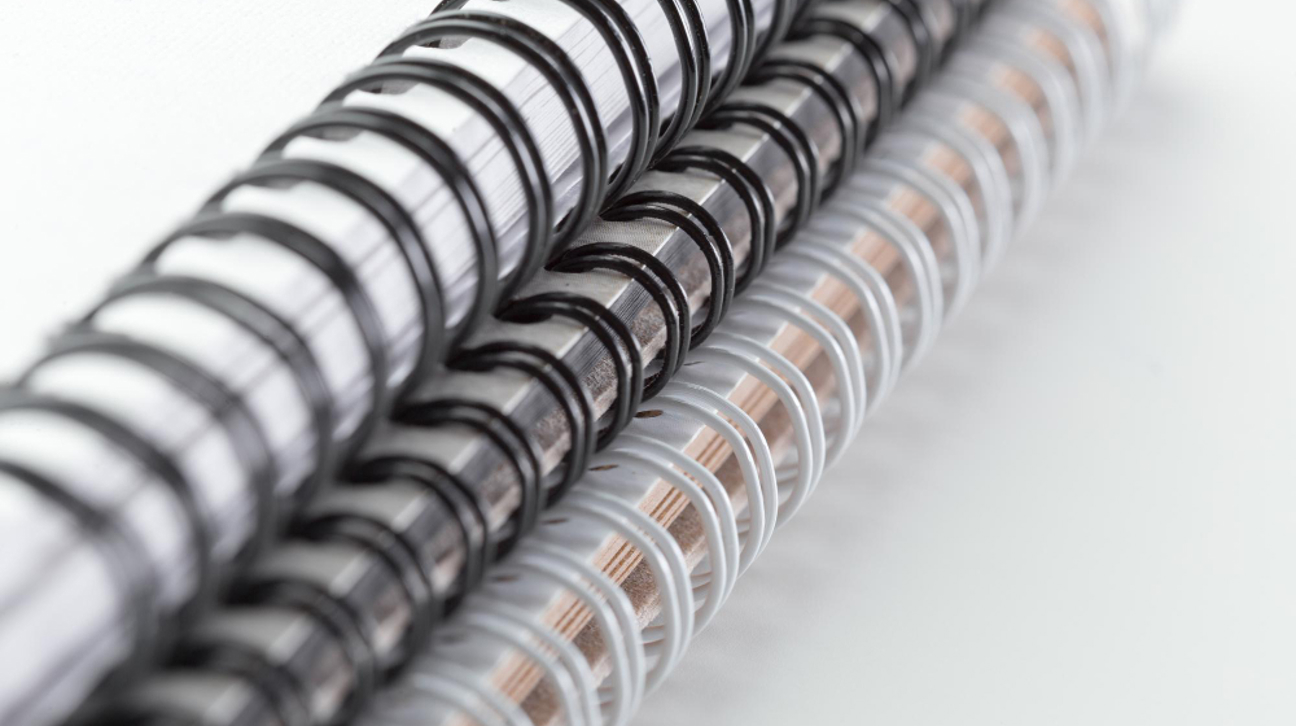
What It Is: Spiral binding involves using a plastic or metal coil to bind the pages together, allowing them to lay flat when opened. This method is often used for notebooks, planners, and manuals.
Advantages:
Flexibility: Pages can be turned easily, making it user-friendly for instructional materials or cookbooks.
Lays Flat: Ideal for projects where users need to write or reference information easily.
Durability: The spiral binding can withstand frequent use without falling apart.
Considerations:
Limited Aesthetic Appeal: Spiral-bound books may not have the same professional look as hardcover or perfect-bound books.
Page Count Limitations: Suitable for smaller projects, as there are practical limits on how many pages can be effectively bound.
What It Is: Similar to spiral binding, Wire-O binding uses double loops of wire to bind the pages. This method allows for a similar level of flexibility and usability.
Advantages:
Professional Appearance: Wire-O binding offers a more polished look compared to spiral binding.
Durable and Flexible: It allows books to lay flat and is durable enough for frequent handling.
Considerations:
Cost: Usually more expensive than spiral binding but often less than hardcover options.
Limited Page Count: Similar to spiral binding, it’s best for smaller projects.
What It Is: Section sewn perfect binding (also called Smyth sewn) is a premium paperback method where folded sections (signatures) are first sewn together with thread, then glued into a wraparound cover with a square spine for printing. This combines the strength of sewn binding with the clean, professional look of standard perfect binding.
Advantages:
Very durable: Sewn signatures strongly resist pages loosening or falling out, even with heavy use.
Better opening: Books open more easily and can lie flatter, making them comfortable to read and ideal for images running across the gutter.
Premium appearance: You still get a neat, square spine suitable for titles and graphics, giving a high-quality finish.
Considerations:
Investment level: Section sewn perfect binding involves an additional sewing stage, so it is typically priced at a premium compared with standard glue-only perfect binding.
Lead time: The extra production step can extend turnaround slightly, so it is best planned for schedules with a bit more flexibility.
Choosing the right book binding method is crucial for the success of your publication. Each type of binding has its unique advantages and limitations, making it essential to consider factors such as durability, aesthetic appeal, cost, and the intended use of the book.
By understanding these binding options, you can select the one that best meets your needs, ensuring that your book not only looks great but also stands the test of time. Whether you opt for the elegance of case binding or the practicality of spiral binding, the right choice will enhance your book’s overall impact and usability.