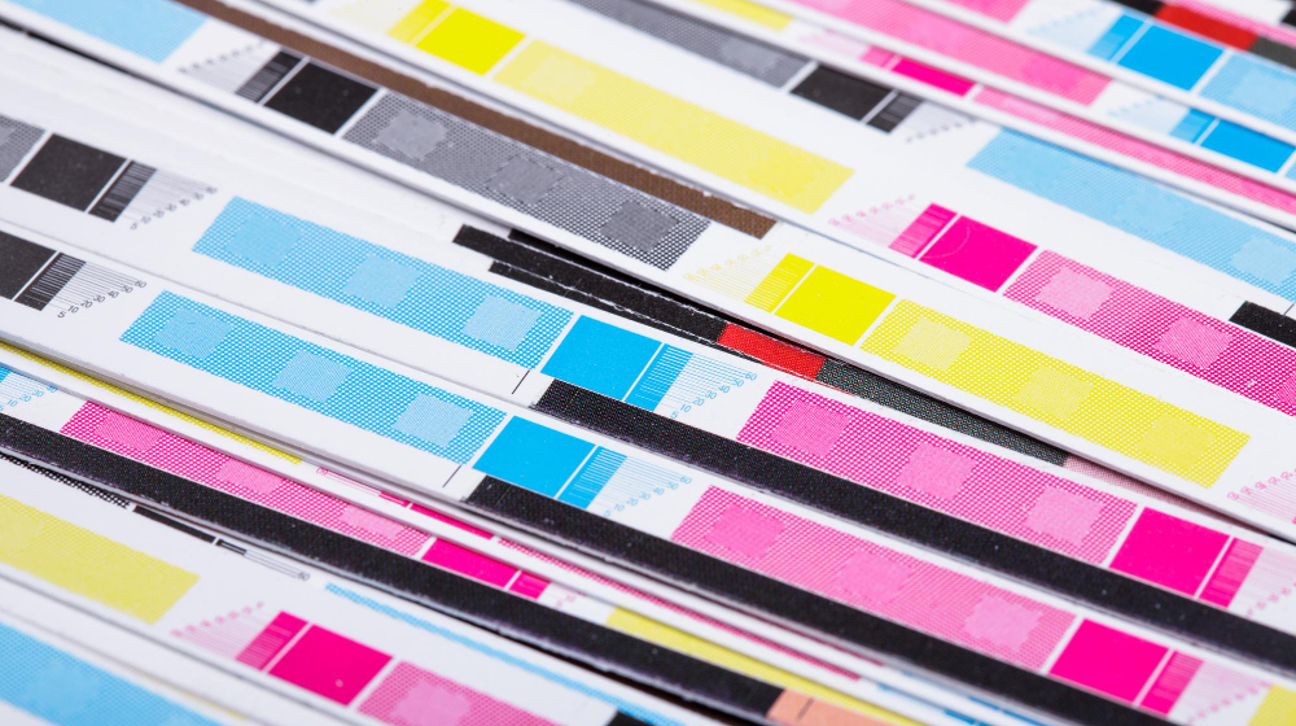
In the printing industry, proofs are essential for ensuring that the final product meets the desired specifications and quality standards. Proofing helps identify any issues before the final print run, saving time and resources. This article will explore the different types of print proofs—machine proofs, wet proofs, digital proofs, and blueprints—highlighting their characteristics, uses, and benefits.
What They Are: Wet proofs are created using actual inks and substrates, producing a sample that closely resembles the final output. This proof type is typically made on a press but may not be the exact same press used for the final production.
Characteristics:
Physical Sample: Wet proofs provide a tangible representation of the final product.
Color Matching: They offer a better idea of how colors will appear when printed.
Uses:
Client Review: Wet proofs are often used for client review and approval during the design process.
Color Testing: Useful for testing color matching and ink density.
Benefits:
Realistic Preview: Gives a more accurate sense of the final look and feel of the printed piece.
Adjustments: Allows for adjustments to inks and colors based on actual printing conditions.
What They Are: Digital proofs are created using digital printing technology. They can be produced quickly and are often used for initial reviews before moving to more expensive proofing methods.
Characteristics:
Fast Turnaround: Digital proofs can be generated quickly, making them ideal for tight deadlines.
Cost-Effective: Generally less expensive than machine or wet proofs.
Uses:
Preliminary Review: Often used for initial design reviews and client feedback.
Proof of Concept: Useful for assessing layout, typography, and overall design.
Benefits:
Quick and Affordable: Digital proofs are great for projects with budget constraints or time limitations.
Convenient: Easily distributed electronically for client review.
What They Are: Blueprints are a traditional proofing method primarily used in the architecture and engineering fields. They are created by exposing light-sensitive paper to a drawing or design, resulting in a blue background with white lines.
Characteristics:
Technical Representation: Blueprints provide a technical view of designs, emphasizing lines and measurements rather than colors.
Monochrome Output: Typically produced in blue and white, making them less suitable for color printing projects.
Uses:
Architectural Plans: Commonly used for architectural drawings, engineering designs, and technical schematics.
Design Review: Useful for reviewing layout and dimensions rather than color accuracy.
Benefits:
Clarity in Technical Details: Provides a clear representation of technical aspects, making it easier for architects and engineers to review plans.
Historical Significance: While less common today, blueprints are valued for their historical and traditional significance in design.
Print proofs are a vital part of the printing process, ensuring that final products meet expectations in terms of quality, color accuracy, and design. Understanding the different types of proofs—machine, wet, digital, and blueprints—can help you choose the right one for your project.
Each proof type has its unique characteristics, uses, and benefits. By selecting the appropriate proofing method, you can minimize errors, streamline the approval process, and ultimately achieve the best possible outcome for your printed materials. Whether you’re working on a marketing brochure, packaging design, or technical drawings, the right proof can save you time, money, and frustration in the long run.